Thursday, February 27, 2014

The Atlantic's "Fraternity Problem"


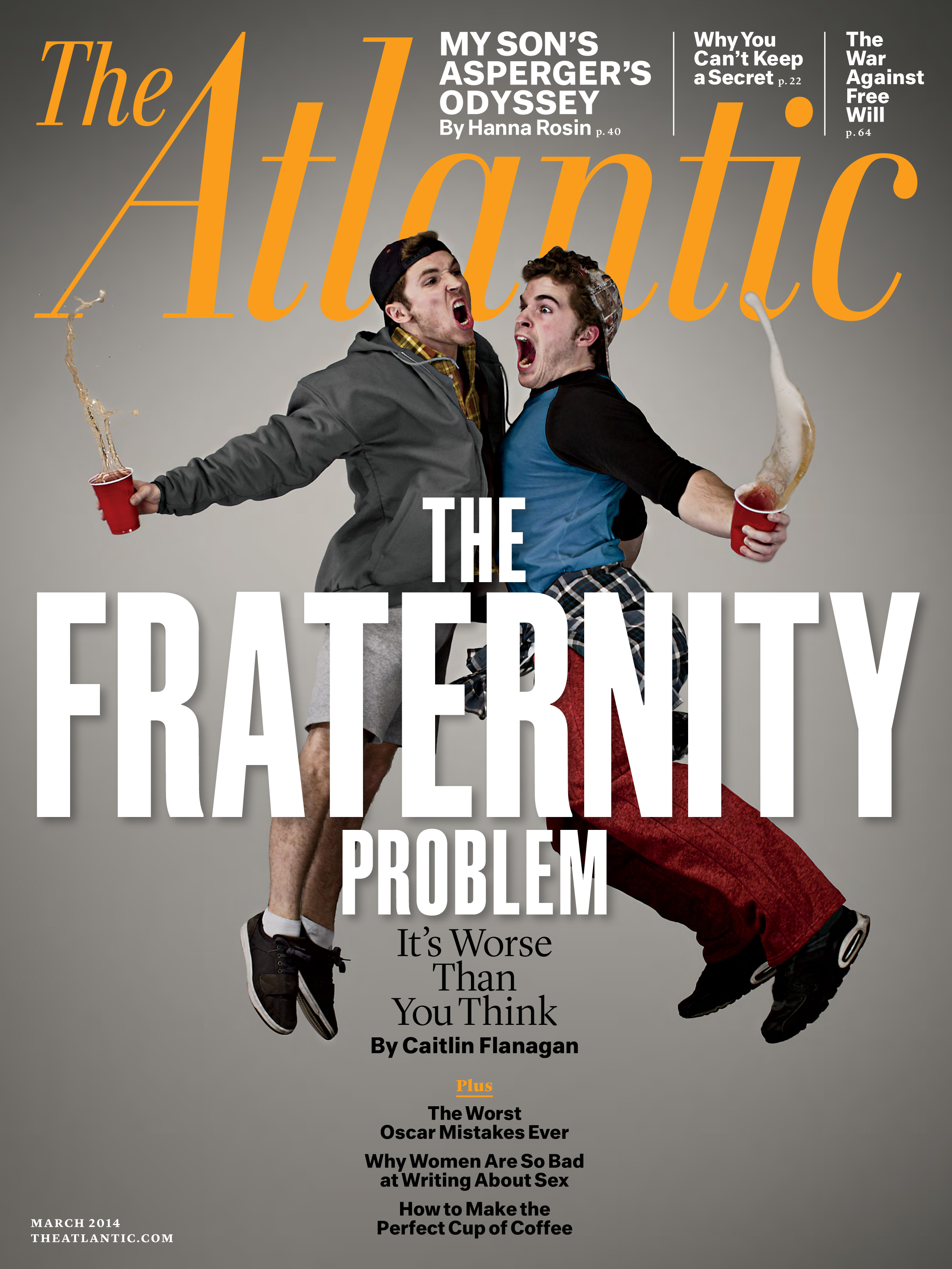
The Dark Power of Fraternities by Caitlin Flanagan (The Atlantic, February 19, 2014) may not be the most positive portrait of fraternities, but it offers a lot of critical insight into the history and increasing prestige and power of these venerable college institutions.  It should also be required reading for anyone who joins a fraternity or attends a fraternity party, as it reveals what the insurance industry has long known: that fraternities are often the site of accidents and injuries--and all of the very costly legal and insurance-related issues associated with them.  The historical and financial details offered by the article make it a must-read, especially for the many members of this class who belong to Greek letter organizations.


Thursday, October 31, 2013

Whither (or Wither) the Humanities?


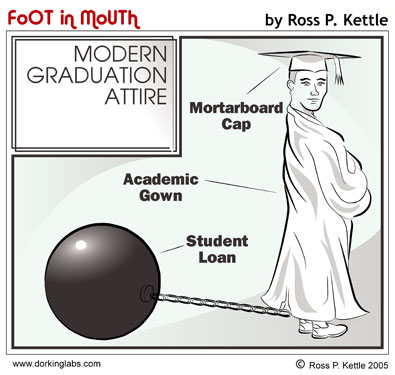
The decline of the Humanities has been widely heralded, and Tamar Lewin's "As Interest Fades in the Humanities, Colleges Worry" (New York Times, October 30, 2013) does a good job of summing up the current discussion and offering links to some of the major commentaries on this issue.  As someone who teaches a Humanities course, I can definitely speak to the value of the skills that these classes offer -- especially in critical thinking, argumentation, writing, research, public speaking, and (often) the use of communication technologies.  But I can definitely see why, with the current job market and the growth in student loans, students might not want to major in one of the traditional humanities disciplines.  However, for those who worry that our nation is losing its way and that our students are not gaining the sort of critical thinking skills that they need to face the hard choices fast coming upon us, then I point you to Ken Ilgunas's excellent speech upon his graduation from the Duke Humanities program -- much of which is excerpted in his book Walden on Wheels.  As Ilgunas points out, "One does not become free simply by staying out of debt" or, for that matter, preparing to join the corporate world in order to pay that debt back.

Monday, September 30, 2013

"Price of Admission" Gone


Visit NBCNews.com for breaking news, world news, and news about the economy

A student in our class alerted me that "Price of Admission" has suddenly been pulled from the web.  I searched around but could not locate the video online, but I did find excerpts from it (see above), a collection of transcripts from the video, and the complete transcript interspersed with code.  If anyone can find alternatives, please let us know in the comments.  (I'm glad this didn't happen just a couple weeks earlier, of course!)

Monday, July 1, 2013

"We must hate our children"

Joan Walsh's "We must hate our children" in Salon.com today offers a scathing criticism of the way Americans have normalized student loan debt -- a particularly trenchant commentary on this day when the federal student loan interest rate officially doubles.  One striking excerpt:
I used to find it endearing when President Obama talked about how he and Michelle finally paid off their student loans after he was elected to the Senate. But in a way, the president’s folksy anecdote helped normalize what should be outrageous: that we expect young people to go deep in debt, well into middle age, to get a good education. Of course, the Obamas’ story should come with an asterisk, since much of their debt was built up paying for Harvard Law School, and clearly, that paid off for them. The assumption that students should borrow money to pay for an undergraduate degree, and that the only debate is over how high their interest rate should be, is seriously crazy.
Read the rest online here.

Wednesday, June 12, 2013

The Humanities on Decline


Last week's article Humanities Fall from Favor: Far Fewer Harvard Students Express Interest in Field with Weak Job Prospects in The Wall Street Journal has triggered some clucking around the web, but also some rather defensive reactions, such as the questioning of David Silbey in "A Crisis in the Humanities?"  However, it has long been known that Harvard grads are flocking to Finance.  And, as Karen Ho's Liquidated: An Ethnography of Wall Street revealed, even if they major in the Humanities, Harvard grads are likely to at least entertain working for the banks (which increasingly rule the world).

Monday, May 20, 2013

Laptop U


Nathan Heller's "Laptop U: Has the future of college moved online?" (New Yorker, May 20, 2013) does an excellent job of covering the continuing debate over the promise and peril of MOOCs as a way of "saving" higher education -- or at least creating savings for students, or maybe profits for somebody somewhere at some time in the future.  I especially appreciate the coverage it gives to the problems that online teaching presents for the humanities, which are never as easy to translate to the online environment as science or math courses.  Because of all the complex issues it takes on, I think this article is more useful than Amanda Ripley's "College Is Dead.  Long Live College" from TIME Magazine (October 18, 2012) which featured in my class this past term and I will likely use it when I teach the course again in the Fall.

Friday, April 5, 2013

Rice Controversy Opens Window on RU Finance


Kate Zernike's "Pressure Builds on Rutgers President" (NY Times, April 4, 2013) does an excellent job of framing the national controversy surrounding Mike Rice's bullying of his basketball players against the back-drop of ongoing changes at Rutgers.  There is no question that the failure to respond more aggressively to Rice's behavior has damaged the Rutgers brand, and I can only hope that it has not ultimately disabled President Barchi during this critical time for the University.